
Saint Bernard is known as a giant dog that can reach a height of 35 inches and can weigh up to 120kg. The traits make these dogs powerful when you see them.
We know that these dogs have a calm, friendly, and gentle in their temperament. However, why is my Saint Bernard aggressive?
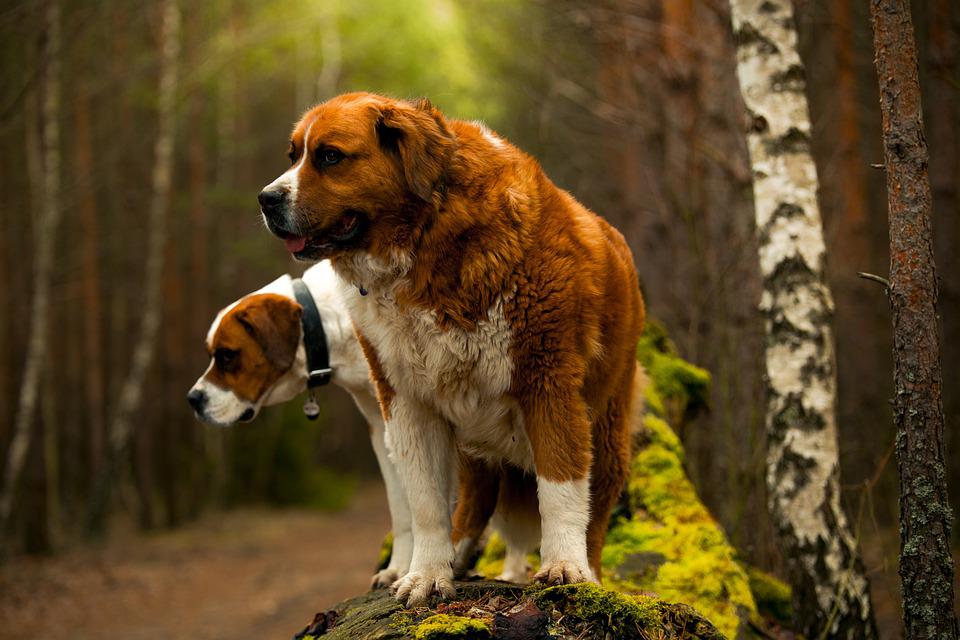
You should know the temperament of your dog if you want to avoid an aggressive Saint Bernard.
We can tell you that these dogs can be proactive and loyal to their owners. However, they can get aggressive due to situations.
Why do St Bernards get aggressive?
Dogs can get aggressive, but some breeds like Saint Bernards rarely show this trait often. Some contexts and environments can aggravate this trait in them.
The way a dog is kept and raised can contribute to its aggression. When a calm and gentle Saint Bernard exhibit this trait, owners can become worried.
Here are some reasons why Saint Bernards can aggressive:
Other Dogs
A male may want to exhibit the alpha male trait among other dogs, especially male dogs. Hence, you can find your gentle dog acting violently in the midst of other dogs.
Intruders
If a dog suspects an intruder around, it can attack or show signs of aggressiveness. The incident can happen when it notices or suspect things that may appear threatening.
Placed In Uncomfortable Environment
Your Saint Bernard can act aggressively when you leave in an uncomfortable place. This could happen when the dog is placed in such an environment regularly.
It would end up reacting even in calm situations due to its learned aggression.
Why is my Saint Bernard aggressive?
Some of the reasons why your Saint Bernard can exhibit aggression include illness or injury, especially if they want to keep it from you.
Most dogs do not like to show that they have challenges with their bodies. Sometimes, most owners can wrongly mistake this genuine aggression
How do I calm my Saint Bernard?
We have different ways we can calm our dogs like using essential oils during their grooming sessions or adding soothing music to the room.
You can sit on the floor with your pet and pet him. However, if your dog is not used to handling and touching, it could make it more apprehensive, anxious, or a little wild.
Simple Ways to Calm Saint Bernards
STEP 1
You should begin with food and treats. The aim of this step is to train your dog on how to feel touched without getting scared or anxious.
You should gather the food on the floor and sit with your Saint Bernard for this exercise.
STEP 2
You should train your dog how to tolerate grooming procedures and techniques. You begin the process by sitting in front of your dog, and then give it a treat.
Then select a part of his body that need grooming and gently touch that area.
STEP 3
You should repeat the touching on such spot and move to other parts of the body fast. Don’t forget to offer after the process. The process should happen in rapid steps. First, you should touch the dog’s face before you offer a treat.
The next step is to touch the stomach and offer a treat. With this process, you can assure your dog that touching is fun and rewarding.
STEP 4
You should practice handling the dog. The process is achieved when you touch your dog in different places, especially the ears, eyes, and paws.
You should offer treats when you touch your dog.
STEP 5
When your dog becomes accustomed to handling, you can include brushing into our grooming session. Also, you can repeat the above steps and brush the dog in other areas.
STEP 6
You should repeat the process and brush the dog’s teeth. You have to reward the dog with rapid treating treats.
Also, ensure that the dog is entertained to avoid concentrating on other things.
STEP 7
With time, it becomes easier to groom your dog when you practice often. Also, you end up giving fewer treats.
Characteristics of the Saint Bernard
Do you want to own a Saint Bernard? Here are some of the things you can do with this breed:
Provide balance of exercise.
Saint Bernards require enough exercise for healthy living. Exercise helps this breed stay lean, but you should not stress the dog much.
They have soft growing joints, ligaments, and bones that could become damaged or over-stressed. Although, they don’t like exercise, adults need more exercise.
In addition, you should not take them out during humid or hot weather for exercise. Puppies could be rambunctious and run around the entire house length.
Therefore, you should keep an eye on it. Make sure that puppies have supervised time because they could get bored and destroy things.
These dogs come with powerful jaws that can cause havoc in your home. As a result, we recommend you start an obedience class for your dog as soon as possible. You can include swimming, hiking, and other activities.
Provide enough socialization.
You must not neglect socialization if you have a Saint Bernard. This breed requires extensive exposure to sounds, sights, and people. If you fail to keep them engaged with others, they can become aggressive, shy, or suspicious. These traits can make them challenging to stay with because they are massive dogs.
Heavy shedding.
If there is something you should know about Saint Bernards, they shed a LOT. Therefore, you can find fur and hair in different parts of the home, including food.
You should find a way of handling this type of situation.
Slobbering.
Are you ready for this trait? Saint Bernards are loving dogs, but they can drool and slobber. When they shake their heads after drinking or eating, be ready to clean off saliva and slime.
Serious health problems.
Saint Bernard has a short life, and most of them are crippled by bone and joint diseases and/or succumb to cancer in middle age.
Stronger temperament
Saint Bernards might appear like huge teddy bears, they are not pushovers when it comes to training and raising them.
Some individuals can be dominant and willful, especially male dogs. Therefore, you should be prepared to train them.