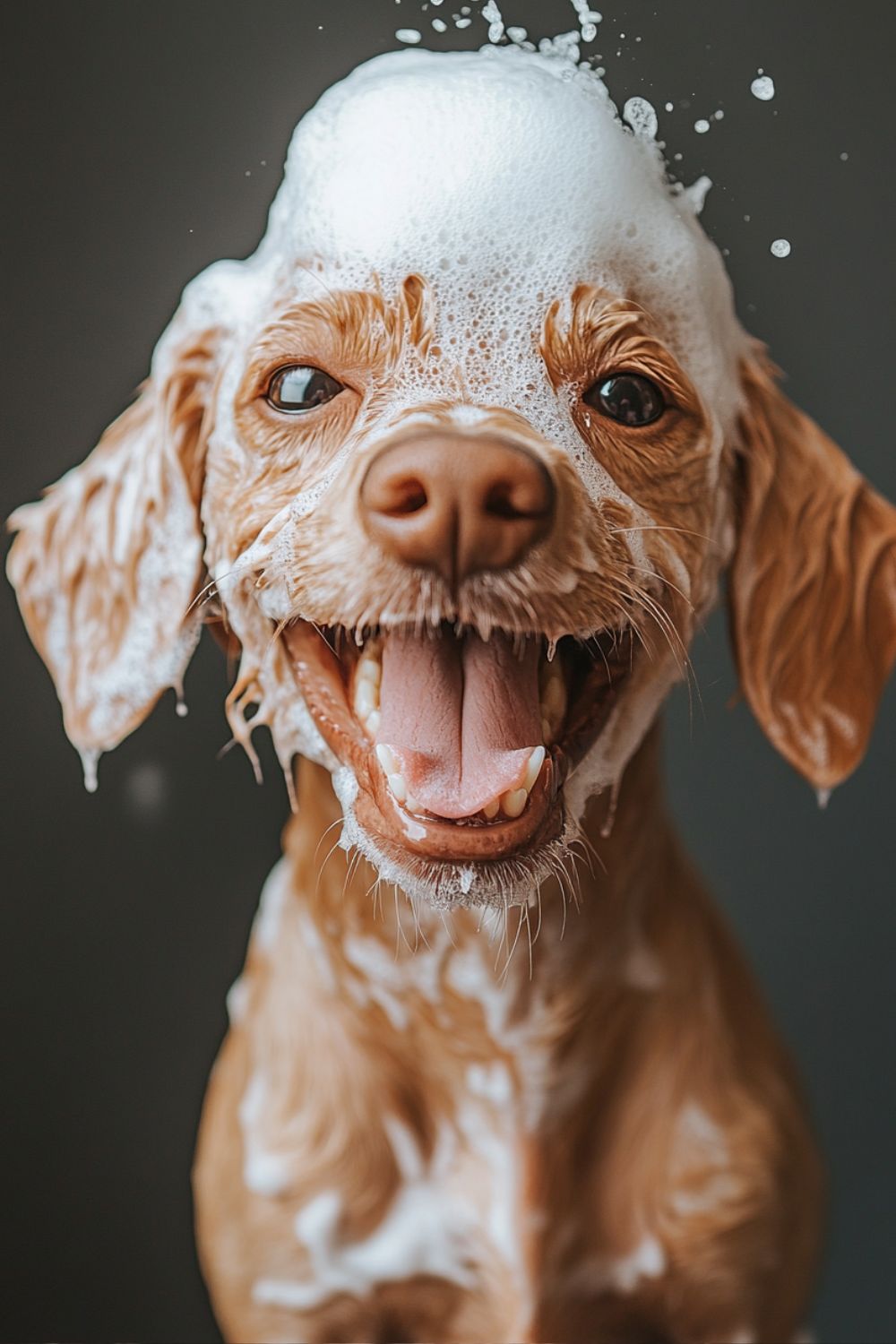

Panting is normal for a dog especially after a heavy exercise or on hot days. But what’s not normal is heavy panting.
New dog owners might not know about this much. That’s why questions like “Why does my Saint Bernard pant so much?” come up often. And that’s fine.
Although panting is normal, irregular behavior can be a sign of something bad with your pet.
Here we will explore different reasons why dogs pant and how to calm them.
Why Do Dogs Pant?

Do you how we, humans, cool down our bodies during hot days? Sweat it is.
But dogs don’t sweat. Instead, they pant to cool themselves. Panting makes the oxygen circulate throughout their bodies.
In addition, it helps in evaporating water from their mouth and upper respiratory tract. All this helps them to cool down. And, sometimes, panting might even cool their tongues.
Dogs pant by breathing heavily with their mouth. Inhaling pulls their lips back and exhaling trembles the nostrils.
Plus, dogs stick out their tongue, which is why you can hear them breathing. So, if your dog is panting when playing. You should look for other cues to see if it’s normal.
If the dog looks happy with its tail wagging and its face and eyes are relaxed, there’s nothing to worry about.
But if you can hear the whistling, rattling, or any other troubling breathing sound, it’s not likely a healthy panting. And if panting intensity is more than usual, you should be concerned.
Common Causes of Panting
Here are some common reasons for dogs’ panting. And you might find an answer to “why does my Saint Bernard pant so much?” here.
Dog’s Breed
Some breeds of dogs breathe heavier than others. For instance, dogs like pugs belong to the brachycephalic breed.
They have squished faces due to which they can’t breathe properly with ease. So, they might pant more heavily than others. Also, they can easily get a heatstroke due to this.
Some breeds like Saint Bernards and Alaskan Malamutes are heavily-coated.
Their coats keep them warm during winters and can be problematic in summers. Improper brushing can cause them to overheat and hence, they will pant to cool down.
Thirst
We feel more thirst in summers than in winters and so do dogs. That’s why thirst is another reason for dogs to pant. Since thirst relates to dehydration, lack of water causes them to overheat.
And their dehydration can go intense when they pant. Thus, you should always ensure clean drinking water is available for your furry friend.
Heatstroke
It could be because of exposure to high temperatures during summers or lack of enough drinking water. While reasons for heat stroke may vary, dogs have no other way to naturally tackle it.
However, if you find your dog looking for a shade or panting heavily, you should act immediately.
So, when you ask how you do calm a dog from panting, helping it cool down gradually can help.
Anxiety

If a dog is anxious, it will start breathing heavily to get rid of the stress. And, you will also see other symptoms like dilated pupils, drooling, lip licking, and restlessness.
Calm him down and help him de-stress to relieve the anxiety and panting problems.
Health Conditions
Certain health conditions can also cause the dog to pant and breathe heavily. Fever is a common condition wherein the body heats up and the canine pants to cool itself down.
However, if the temperature crosses the 102.5 degrees Fahrenheit mark, you should consult a vet.
Heart failure, Cushing’s syndrome, respiratory problems, and anemia are other health conditions that can cause the dog to pant.
Nursing Puppies
If your dog has recently given birth to puppies, panting can be normal or serious. Nursing releases oxytocin that causes mild contractions in the uterus of the dog.
While that can cause panting, tiredness by nursing puppies and hotness caused by a puppy-crowded space can also cause excessive panting.
However, severe panting during nursing can indicate eclampsia. It’s a dangerous illness that makes the dog unable to walk or even stand. Low calcium is a result of this illness and the dog might face tremors. So, you shouldn’t ignore excessive panting in a nursing dog and consult a vet at the earliest.
So, Why Does My Saint Bernard Pant So Much?
As already stated St Bernards belong to the dog breed that has heavy coats.
This can cause them to overheat during summers even without playing or exercising. That could be one of the reasons for your St Bernard to pant so much.
However, that doesn’t rule out other possibilities of health conditions, injuries, anxiety, thirst, and poisoning. So, try calming and cooling down the pet. If panting doesn’t stop or is excessive at the start, take it to a veterinary doctor.
Why is My Saint Bernard Panting So Fast While Resting?
All the above reasons still apply to the resting St Bernard. However, anxiety is a common reason that causes dogs to pant when sleeping or resting.
If your dog sleeps in a different room, separate and alone, anxiety can make them pant more. And if you have puppies, the chances of panting due to anxiety are higher.
In such a case, you can help them get company by letting them sleep in your room, getting another dog, or playing some background music or radio in their room.
How do You Calm a Dog from Panting?
Based on the reasons above, tackling each one can prevent excessive panting.
- Prevent Overheating: Stop your dog from going outdoors on hot days. Keep them hydrated with fresh water and wet with cool (not cold) water.
- Prevent Stress: Find the reasons for anxiety if your Saint Bernard gets anxious and prevent or reduce their occurrences.
- Brush the Fur: For dogs like Saint Bernards, thick fur can cause overheating. Brushing their thick fur coat can keep their body temperature low, and hence, prevent excessive panting.
- Keep an Eye for Illness: Once you have done all the above, your dog might still pant heavily. It could be because of some illness. You can cure that by taking the dog to a vet and getting the required medication or treatment done.
In short, most dog owners asking “why does my Saint Bernard pant so much?” can find a solution at home.
And when you can’t cure panting at home, don’t delay getting help from a vet.