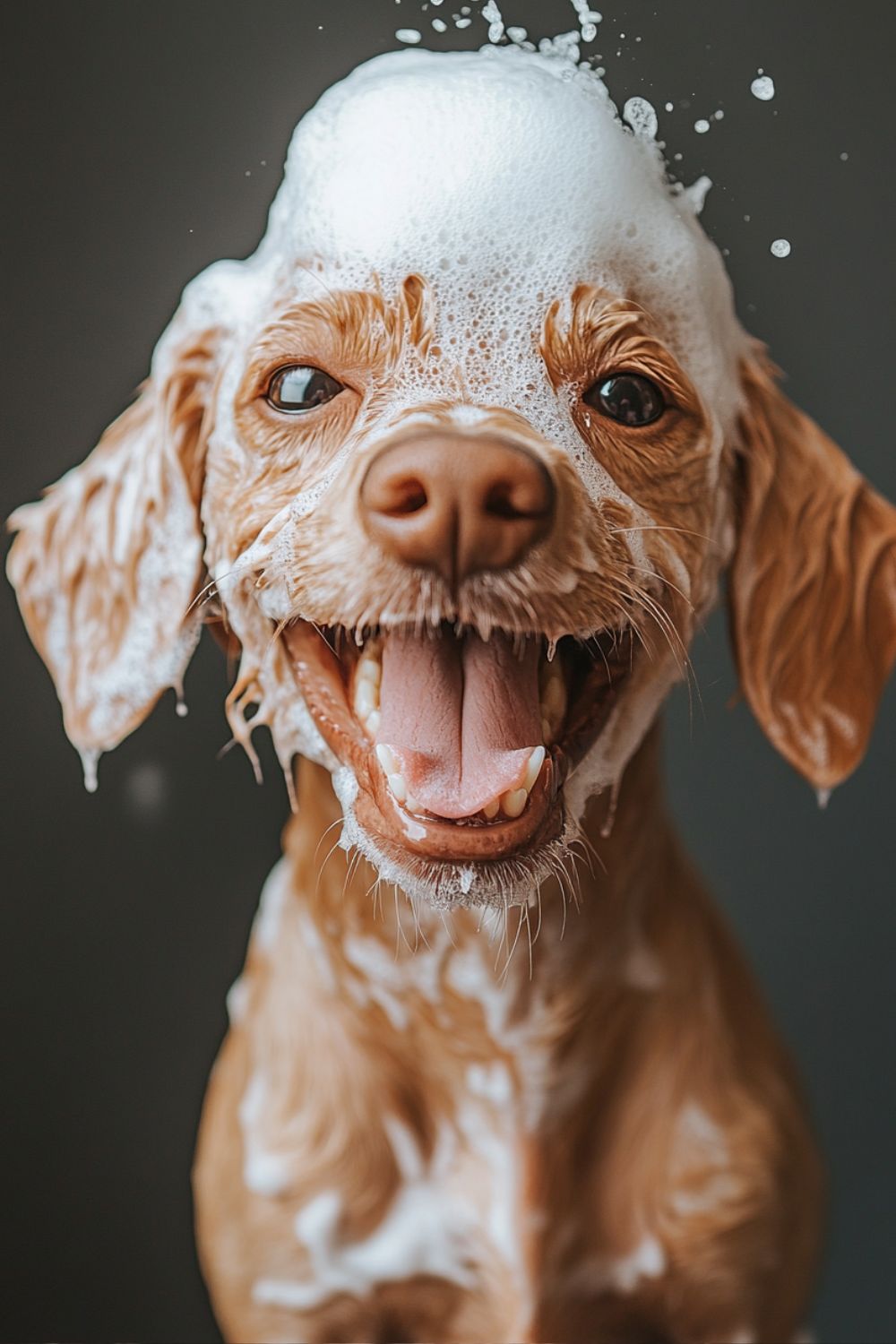
If you have a breed like Labrador, you will agree with me that they are messy cute pets regarding hair shedding. Is shedding normal for Labrador?
It might sound strange to you that the shedding habits of the Labrador are kind of seasonal. Labrador use to have its normal year-round shedding, but in some months, Labrador shed a lot. When is the season the Labrador shed?

My Lab sheds two times a year, first in the spring, and second in the fall. In these seasons, my dog will change or blow its coat within 2 to 3 weeks or more. This means that the first shedding season of my Lab is between September, October, or November. Its second shedding season is March, April, and May.
What to Know about Lab Shedding
As the seasons change, the Labrador changes its coat. Shedding helps it to adjust to the new weather conditions. As the winter warms, the dog will shed its old winter undercoat for a lighter coat, ready for summer.
I noticed that when the weather gets colder, my dog will shed its lighter undercoat to take a warm undercoat, getting ready for winter. These shedding help it to be comfortable all year round.
The Labradors’ thick undercoat comes out in clumps for about two to three weeks, any time it sheds. You will see it spreading everywhere. The intensity of the shedding will be high during this period until all of the dogs’ dead undercoats are molted.
Year-Round Shedding
The time the Labrador blows his coat is the worst in its shedding season, but it will not stop it from shedding each season all year-round. This process is natural, and an Integral part of the normal growth cycle of the dog, and the molting cycle of its hair.
Why is My Lab Shedding So Much All of a Sudden?
Abnormal Shedding.
Since you have a better knowledge of Labrador’s shedding seasons, you should aware that some shedding are abnormal. Your dog may shed its hair because of a health issue that requires the attention of a veterinarian. Anytime you notice that your dog is shedding unnaturally, consult your veterinarian.
Your Labrador may shed its hair outside its shedding season owing to health issues. The reasons behind this may be poor diet, dehydration, allergies, parasites, stress, and anxiety.
The rear causes are hypothyroidism, Cushing’s disease, underdeveloped hair follicles, pregnancy, or a medication reaction.
Your veterinarian will be able to differentiate between normal seasonal shedding and abnormal shedding because of health, nutritional, and environmental issues.
When you see these signs, you should know that you have a case of abnormal shedding at hand:
- When the dog’s hair gets dry or brittle.
- When you notice irritation, open sores, or blisters on the dog.
- When you see bald patches on the dog’s body.
- When the dog does not want to be petted.
Now, what are these signs all about? We have to look deep into the factors that may be responsible for a typical hair loss by a dog.
Poor diet:
When you place your dog on a balanced diet, it will have a constant supply of the necessary nutrients it requires for a healthy life. For your dog’s hair to securely stayin its hair follicles, it needs these nutrients.
If the diet you place the dog on is poor it will not get good nutrients, and it will result in hair loss on the dog.
Dehydration:
Flow of blood and oxygen to the vital tissues and organs, even the skin of your dog will be compromised if the dog does not drink enough water.
The skin of the dog will become less supple and hair loss will follow.
Parasites, Ticks, Lice, and Fleas:
These will cause itches on your dog’s skin, and it will result in the dog biting or scratching itself. This will lead to hair loss. The spots it bit itself can become infected too.
Underdeveloped Hair Follicles:
Underdeveloped hair follicles may be congenital, but most times it is hereditary. This comes to be when hair follicles do not develop properly. It will result in partial or complete loss of hair for the dog.
Cushing’s disease:
A non-life threatening tumor is the cause of this disease. The disease causes excessive production of the stress hormone cortisol, and this result in hair loss in the dog.
According to a report, about 100,000 dogs are diagnosed with this disease every year. The most vulnerable are dogs that are six years of age and above.
Hypothyroidism:
The signs of hypothyroidism are increased shedding, hair loss, and thinning. However, this illness is not rampant among dogs, and Labradors are not among the three species of dogs that are vulnerable to it.
Skin trauma:
Skin trauma is another factor responsible for abnormal shedding in dogs. It can be a result of skin trauma like bacterial infections, fungal infections, food, and other allergies. It can be caused also by some medications like steroids
Inflammatory Disease, and Burns:
A dog can have temporary hair loss when it is pregnant, nursing its babies, or when it is recuperating from sickness.
Stress and Anxiety:
Your Labrador can resort to chewing its hair and skin, and leaving it with patches as a result of some behavioral problems that cause it stress and anxiety.
An example is separation anxiety or OCD. The medical name of this sickness is “Acral lick dermatitis”. However, there are parasites and other allergic conditions that can cause it too.
No matter the reason behind the unnatural shedding of your dog, preventing it, and getting the solutions are almost the same thing as putting a normal heavy shedding under control. It does not matter whether it is year-round or seasonal.
My Opinion
It is a great experience to owe a Labrador, but there is an ugly side to it too. Labradors shed every time of the year, no matter what time of the year it is.
There is no solution to stop it from shedding, but there are things you can do to reduce or control it.
Use deshedding tools on the dog more often when you notice it is in its shedding season. Feed the dog with foods that will give it the nutrients it requires for the maintenance of a healthy coat and skin.
Go for foods that are rich in Omega fatty acids. Give your dog enough water. Bath it 3 to 4 times a week. Keep it away from fleas and parasites.
FAQs
Is shedding normal for Labrador?
It is normal when your Labrador sheds heavily. Expert it to shed more in spring and fall. This is the time they will molt their undercoat.
Reasons behind abnormal shedding can be poor diet, dehydration, bad health conditions, fleas, and parasites.
Are Labradors high shedding?
The Labrador retriever is a breed of dog that shed heavily. The working breed of dogs is the ones that shed the heaviest.
The dogs in this category are the dogs that originated from very cold regions, and those dogs that live or work in wet, and harsh conditions.
Who sheds more Lab or Golden?
Both Labradors and Golden Retrievers shed at the same rate. The difference between the two is that you need to groom your Golden Retriever every day more than you groom your Labrador.