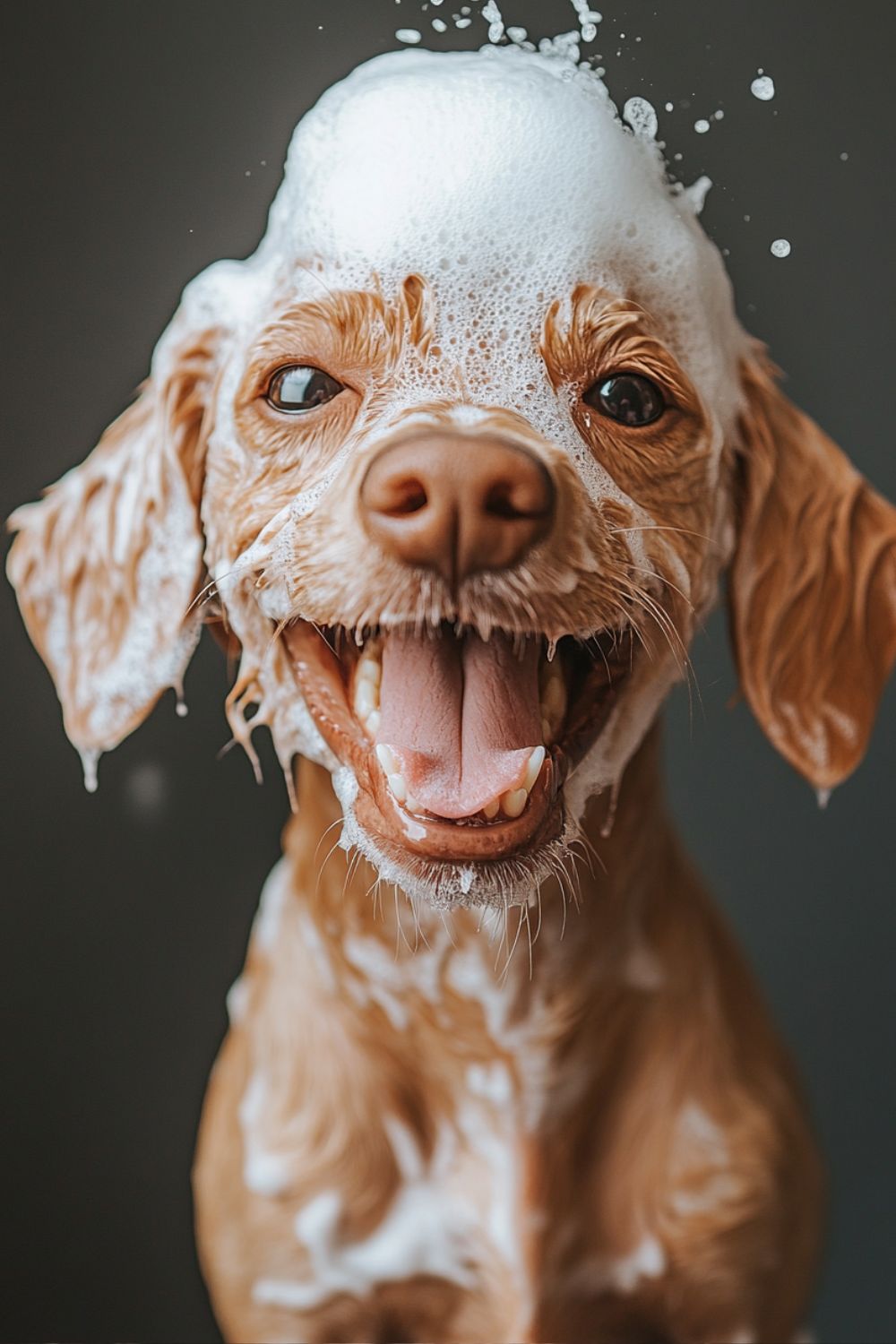
I love Labradors, but not their shedding. I like my home spotless, but Henry often leave me howling when he sheds. How do I stop my Labrador from shedding?
Do Labradors shed? They certainly do! Labradors are notorious shedders. The reason why Labs shed could be traced to their past.

Originally, Labradors were bred as working dogs. True to the ‘Retriever’ part of their name, their main responsibilities involved sniffing out and retrieving birds that their Owner had shot.
They also assisted with various duties on board fishing boats. Through lots of time spent outdoors, Labradors developed a special coat that protected them from the cold.
This special coat is known as a double coat, and it’s a feature that Labradors have maintained to this day. The outer layer is coarse and waterproof, while the inner layer is dense, fluffy, and super cozy.
The inner layer, known as the undercoat, keeps Labradors warm – especially when swimming in cold water or during rainfall.
In short, because Labradors (and other double-coated dog breeds) have this thick undercoat, they need to get rid of it from time to time to adapt to the changing seasons. This is why Labradors shed so much.
Labradors and Shedding
If you were hoping for an occasional shedder, well, I am not going to sugarcoat it: Labradors pretty much shed year-round. You’ll notice a decent amount of hair around your home, on the couch, in your car, and wherever else your Lab goes.
Luckily, ongoing shedding is quite manageable. When Labs are in the thick of molting season (also known as shedding season), things can get a little hairy, so to speak.
Labradors shed their undercoats twice a year – commonly known as “blowing coat”. They shed in spring to get rid of their dense winter coat and grow a lighter one ahead of summer.
They also shed in autumn to replace their thin summer coat with a snug winter one. Each shedding season lasts around two to three weeks.
During molting season, Labradors shed a lot. You’ll probably be cleaning up after your Lab much more when this happens, perhaps even daily.
It’s also worth noting that there’s no difference between Chocolate Labs, Yellow Labs, and Black Labs. While the amount of shedding can vary between individual dogs, each coat color tends to shed equally.
Do they shed more than other dogs?
So if they indeed are big shedders, do Labradors shed more than other breeds? Compared to some, yes, Compared to others, the amount of shedding is pretty on par.
Generally speaking, dog breeds that shed most have double coats, just like Labs. Not only do double-coated dogs shed year-round, but they also blow their coats up several times a year to make way for a new coat.
Single-coated dog breeds shed throughout the year, too, but they don’t need to get rid of their coat during molting season. In saying that, don’t be fooled into thinking all single-coated breeds are light shedders! Some single-coated dogs can still shed quite a bit.
How I manage Labrador shedding
Here are my tips to help you handle the hair.
Groom them on the regular
Regular brushing is key when it comes to managing your Lab’s shedding. This is because it allows you to remove loose hairs in a single grooming session, rather than having them (liberally) sprinkled all over your house.
Throughout the year, you can brush them once or twice per week. While they’re in molting season, you’ll want to increase brushing to four times a week, or even daily.
If your doggo isn’t used to being brushed, or simply doesn’t like it, you can start slow. Begin with a couple of brush strokes and build your way up to a full grooming session.
You may also find it easier to brush your Lab while they’re distracted, such as when they’re chowing down on their favorite meal. Or, you can use bits of quality dry dog food as treats to incentivize them!
Level up your de-shedding tool kit
Anyone with a high-shedding pooch knows you need an arsenal of tools to keep your dog and home clean. Specialized de-shedding tools and brushes are made for dogs with double coats, which are super handy for grooming.
As for keeping your home fur-free, a classic vacuum cleaner sometimes stands no chance against a shedding Lab. You could opt for a vacuum cleaner designed to collect animal hair or another tool like a handheld hair remover.
Keep them out of hair’s reach
Dog hair is pretty much unavoidable if you own a Lab. But, you can try and restrict where it ends up. If you’d prefer not to wake up to a hair nest, you might want to avoid letting your Labrador sleep in your bed.
If there’s a particular room you like to reserve for guests, you could keep your dog in other parts of your home. And if your car is starting to resemble an unkempt grooming salon, you could protect your seats with a special seat cover.
Enlist an expert
Labs need a lot of grooming, so from time to time, it certainly doesn’t hurt to call in an expert. A groomer can give them a good wash and brush to help with shedding and even offer bonus services like nail cutting. There are trusted Dog Grooming Services nationwide, so you will likely find one near you.
FAQs
How do I stop my Labrador from shedding?
Brush regularly and use a de-shedding tool during the heavy shedding months in spring and fall. Incorporate more baths into your lab’s schedule, where the lukewarm water will help clear away excess hair and debris.
Invest in a smart vacuum like an iRobot or Roomba, which you can turn on even when you’re not home
Do Labradors ever stop shedding?
That means that you should expect excess shedding anytime between March and May of each year. Later on, labs shed that same summer coat and begin to bulk up for the winter months when fall begins.
This means that you can expect excess shedding again between October and December each year
How long do Labradors shed for?
They shed in spring to get rid of their dense winter coat and grow a lighter one ahead of summer. They also shed in autumn to replace their thin summer coat with a snug winter one. Each shedding season lasts around two to three weeks